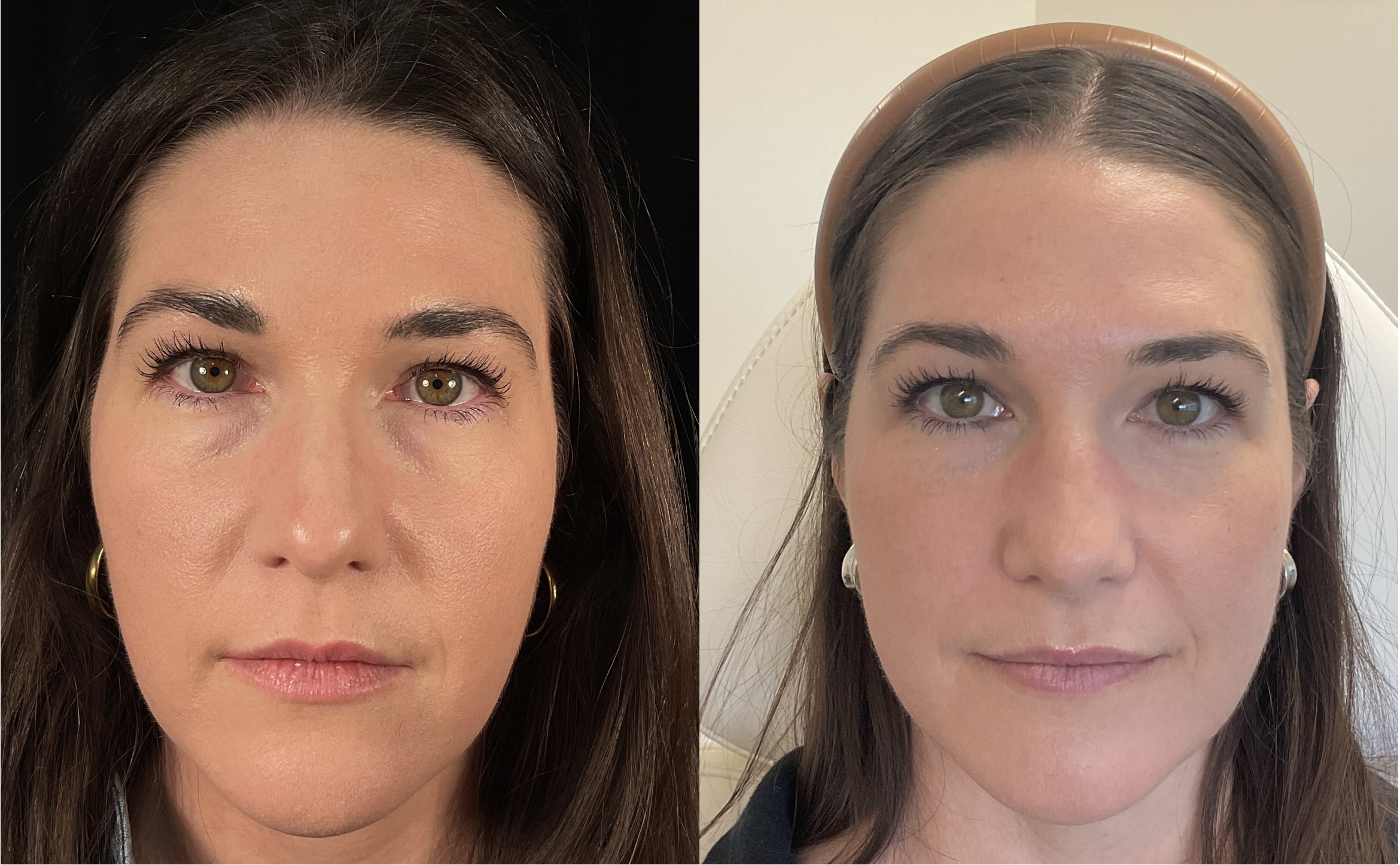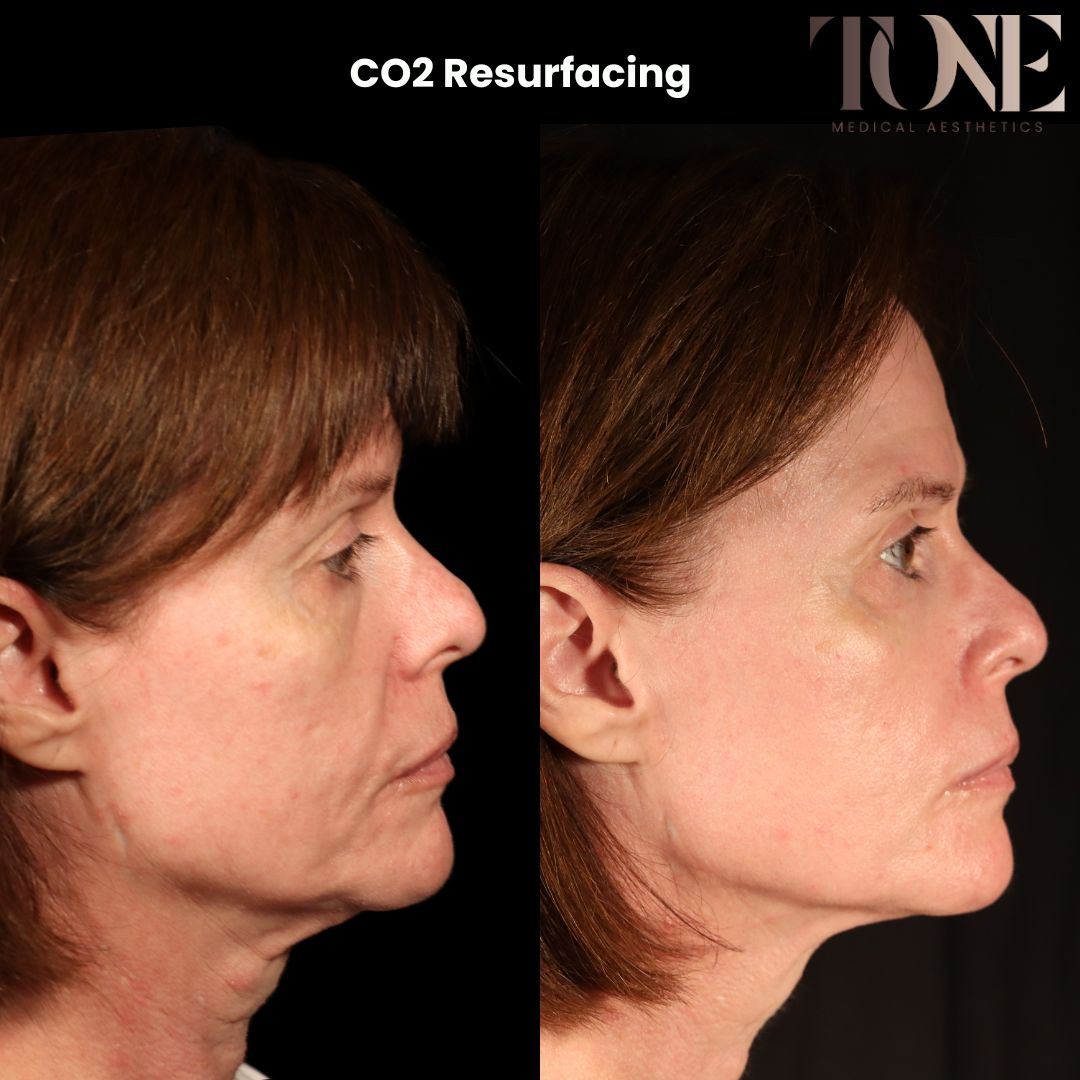

Undereye filler treatments are a popular non-surgical solution to combat dark circles, hollows, and fine lines under the eyes. However, while this procedure can yield stunning results for some, it’s not necessarily the right choice for everyone. Before deciding to undergo this treatment, it’s important to understand who may benefit from undereye fillers and who might be better off exploring other options.
Who Should Get Undereye Filler?
- People with Hollow or Sunken Undereye Areas
If you have naturally hollow or sunken undereye areas, undereye fillers can help restore volume and smooth the skin. This is often due to the natural aging process, where the skin loses fat and elasticity. Dermal fillers can plump up the skin, giving you a refreshed, youthful look. - Those with Mild to Moderate Dark Circles
Dark circles are often caused by a lack of volume under the eyes, which allows the blood vessels to show through more prominently. If your dark circles are due to volume loss and not primarily pigmentation issues, fillers can improve the appearance by adding volume and lightening the area. - Individuals with Fine Lines and Wrinkles
For those who are starting to notice fine lines and wrinkles around the eyes, undereye fillers can provide a smoother, more rejuvenated look. The filler adds volume to the skin, softening lines and making the area appear less tired and more refreshed. - People in Good Overall Health
Undereye filler procedures are minimally invasive, but they still require a healthy immune system and the ability to heal well. If you’re in good health and not prone to complications like severe bruising or swelling, you may be a good candidate for this treatment. Have an IV therapy treatment before your undereye filler treatment can help to boost your recovery. - Realistic Expectations
It’s crucial to have realistic expectations about what undereye filler can achieve. While it can provide significant improvements, it’s important to understand that it’s not a permanent solution and results may vary based on individual factors. Candidates who are open-minded and realistic about the treatment’s potential are often more satisfied with their results.
Who Shouldn’t Get Undereye Filler?
- People with Severe Allergies or Sensitivities
If you have a known allergy to hyaluronic acid or any of the ingredients commonly used in dermal fillers, it’s important to avoid the procedure. An allergic reaction could lead to severe swelling, redness, or irritation. Always undergo an allergy test with your provider before opting for filler. - Individuals with Active Skin Infections or Conditions
If you have active skin conditions under your eyes, such as eczema, psoriasis, or rosacea, it’s best to hold off on fillers until the area heals. Injecting filler into an area with active inflammation or infection can lead to complications like infection or poor results. - People with Excessive Puffiness or Prominent Malar Fat Pads
Undereye filler treatments are ideal for people with volume loss under the eyes. However, those with significant puffiness or fluid retention may not benefit from fillers as much. Adding filler to a puffy area can make the puffiness more prominent and may not provide the desired outcome. - People with Poor Skin Laxity or Thin Undereye Skin
Undereye filler is best for people with good skin elasticity and integrity. Because it is injected right under the dermis, people with poor skin laxity or very thin undereye skin could notice the filler and the support wouldn’t be supported which could cause migration into unwanted areas. - Those with a History of Blood Clotting Disorders
If you have a history of blood clotting disorders or take medications that thin the blood (like aspirin or blood thinners), you may be at a higher risk for bruising, swelling, or complications during and after the procedure. It’s essential to discuss your medical history thoroughly with your provider before deciding on filler. - People Seeking a Quick Fix
It’s important to remember that undereye fillers are not a one-size-fits-all solution, and they are not a quick fix for chronic sleep deprivation, excessive alcohol consumption, or other lifestyle factors. If your undereye issues are more related to your lifestyle or environmental factors, you might want to explore other remedies such as better sleep habits, dietary changes, or even skincare treatments like eye creams or laser therapy.
What to Expect During Your Procedure with Tone
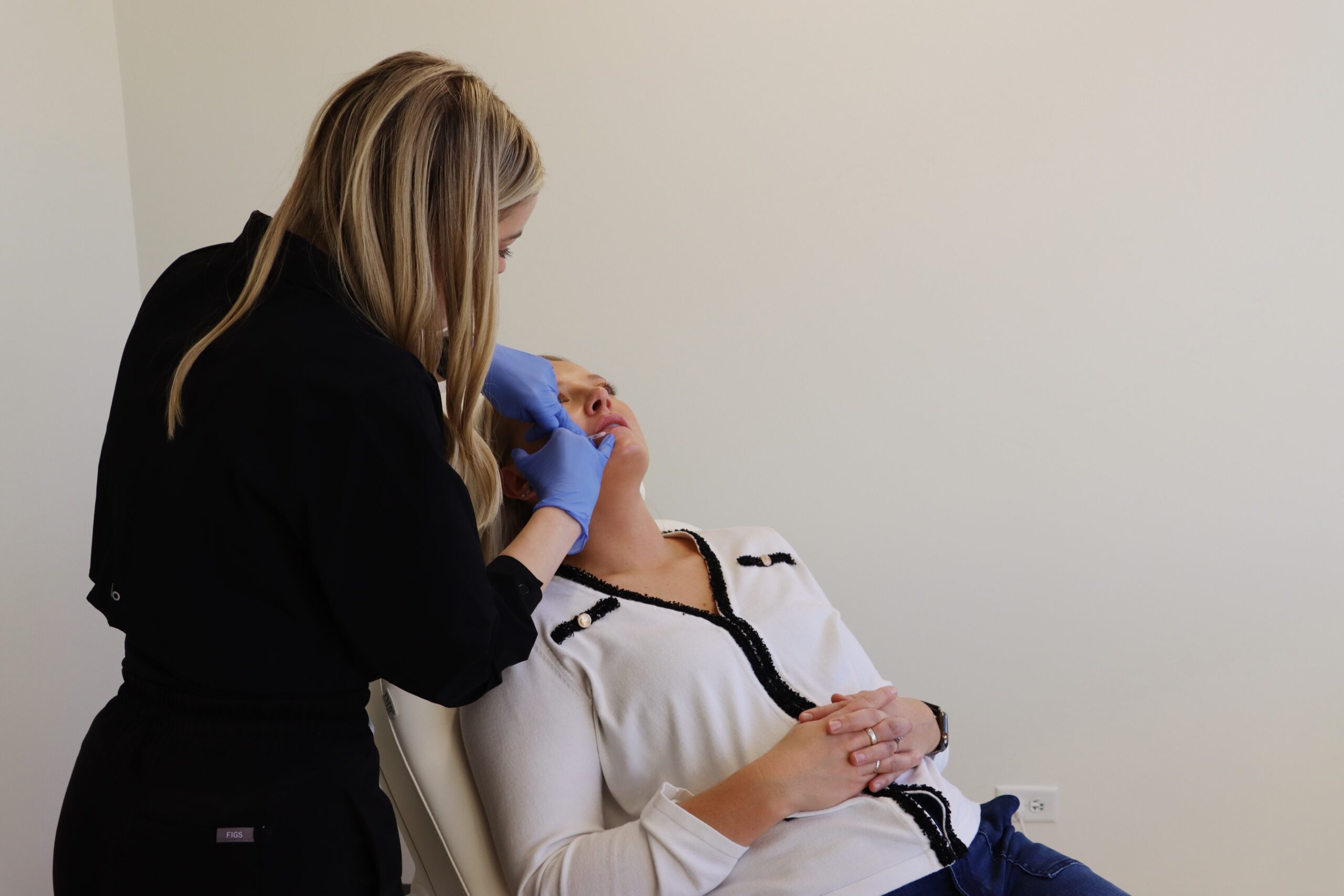
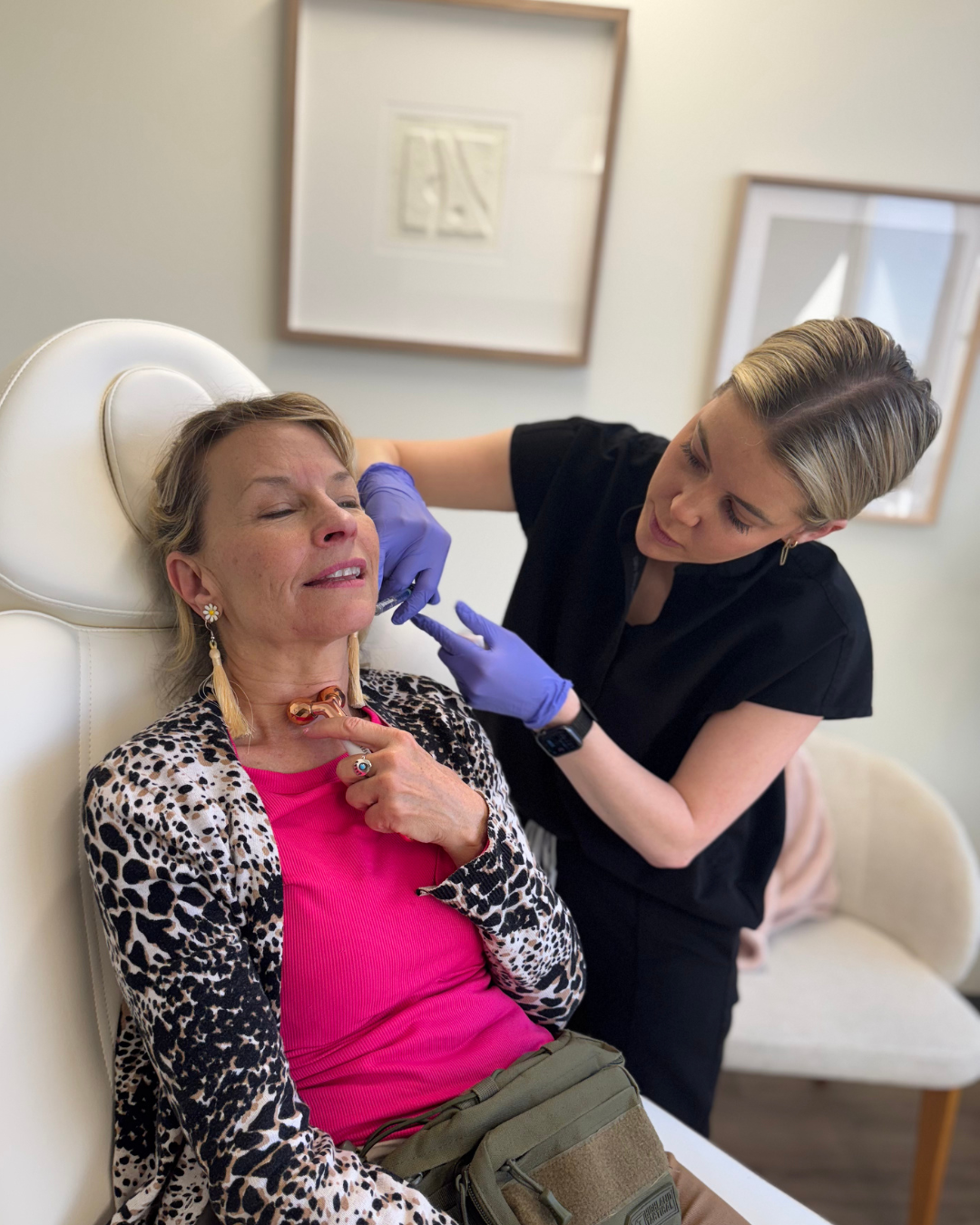
During an undereye filler procedure, our trained and certified injector will use a fine needle to inject hyaluronic acid-based filler under the skin, carefully targeting the hollowed or sunken areas. The treatment typically takes about 15 to 30 minutes and requires minimal downtime. However, it’s normal to experience some swelling or bruising for a few days following the procedure.
The results are immediate but can take a few days to fully settle. Depending on the type of filler used and the individual, results can last anywhere from 6 months to a year.
Conclusion
Undereye fillers can be a game-changer for people with hollow, sunken eyes, mild dark circles, or fine lines, but they aren’t for everyone. Our experts at Tone Medical Aesthetics will determine whether you’re a good candidate for this treatment and to ensure that you have realistic expectations about the results.
If you’re unsure whether undereye filler is right for you or if you aren’t a good candidate, just know that there are other options and we’d be happy to discuss those with you! It is our goal to always prioritize safety and the guidance of a qualified professional when considering any cosmetic procedure.